


Introduction
If your kitchen sink, bathroom drain or shower keeps clogging, the problem may be more than a buildup of everyday debris. Recurring drain clogs often result from grease, hair, soap residue, mineral deposits or a blockage deeper inside your plumbing system.
Understanding why drains keep clogging can help homeowners prevent future problems and recognise when professional drain cleaning is necessary. For residents of Hawthorne, New Jersey, and surrounding communities, identifying the underlying cause is often the first step toward restoring reliable drainage.
Table of Contents
- Seven common reasons household drains keep clogging
- How to prevent clogged drains at home
- When to call a professional drain cleaner
- DIY drain cleaning vs. professional service
- Residential drain cleaning in Hawthorne, NJ
- Frequently asked questions
1. Seven Common Reasons Your Household Drains Keep Clogging
Quick answer: Household drains commonly clog because grease, food scraps, hair, soap residue and other debris accumulate inside pipes. However, repeated blockages can also indicate mineral buildup, damaged pipes, tree root intrusion or a problem in the main sewer line. Identifying where and how often a clog occurs helps determine the right solution.
1. Grease and food scraps in kitchen drains
Cooking oil, grease and food particles can stick to pipe walls and gradually restrict water flow. Even liquid grease can cool and solidify inside plumbing. Coffee grounds and fibrous food scraps may also contribute to blockages. Prevention tip: Let cooking grease cool before disposing of it in the trash. Scrape food scraps into a bin and use a sink strainer to catch debris.
2. Hair and soap residue in bathroom drains
Hair can combine with soap residue and other debris to form stubborn clogs in showers, bathtubs and bathroom sinks. These blockages often develop gradually, causing water to drain more slowly over time. Prevention tip: Install drain covers and remove trapped hair regularly before it accumulates.
3. Too much toilet paper or unsuitable items
Toilets can clog when excessive toilet paper or items such as wipes, cotton products and paper towels enter the plumbing. Products labelled flushable may also contribute to blockages because they do not necessarily break down like toilet paper. Prevention tip: Flush only human waste and toilet paper. Dispose of wipes and hygiene products in a rubbish bin.
4. Mineral deposits and accumulated debris
Hard water can leave mineral deposits inside plumbing over time. Combined with soap residue and other debris, these deposits may narrow pipes and make recurring blockages more likely. A persistent problem may require professional assessment to determine whether cleaning or pipe repair is appropriate.
5. Tree roots or damaged sewer pipes
Tree roots can enter sewer pipes through small cracks or loose joints, where they grow and catch waste. Older, damaged or misaligned pipes can also restrict drainage. If outdoor sewer lines are affected, repeatedly clearing an indoor drain may not solve the underlying problem.
6. Improper pipe slope or plumbing issues
Drainpipes need an appropriate slope to move wastewater efficiently. Poor installation, sagging sections or damaged pipework can allow waste to collect rather than flow away properly. When clogs repeatedly return despite cleaning, a plumbing inspection may be needed to identify structural issues.
7. A blockage in the main drain line
If several fixtures drain slowly at the same time, the problem may involve a shared drain or the main sewer line rather than an individual sink. Watch for gurgling toilets, water backing up into a shower when another fixture is used, or sewage odours. These symptoms warrant prompt professional attention.
2. How to Prevent Clogged Drains at Home
Quick answer: The best way to prevent clogged drains is to keep grease, food scraps, hair and unsuitable items out of your plumbing. Clean drain covers regularly, use sink strainers and respond to slow drainage early. Avoid relying on harsh chemical cleaners, especially when the cause of a recurring blockage is unknown.
Follow these practical habits:
- Kitchen: Collect grease in a container and dispose of it in the trash. Use a strainer to catch food particles.
- Bathroom: Remove hair from drain covers and clean visible debris regularly.
- Toilets: Flush only waste and toilet paper.
- Routine maintenance: Address slow drainage before it becomes a complete blockage.
- Cleaning products: Follow product instructions and never mix drain chemicals.
- Recurring problems: Keep track of which fixtures clog and how frequently the issue returns.
These simple steps can reduce everyday blockages, but they cannot correct damaged pipes or serious sewer-line obstructions.
3. When Should You Call a Professional Drain Cleaner?
Contact a professional when a drain repeatedly clogs despite basic maintenance, or when several plumbing fixtures show symptoms simultaneously.
Warning signs include:
- Multiple sinks, showers or toilets draining slowly.
- Water backing up into another fixture.
- Persistent gurgling sounds from drains or toilets.
- Sewage smells coming from indoor drains.
- Wastewater backing up into tubs, showers or floor drains.
- Blockages that return shortly after DIY clearing.
If sewage is backing up, stop using affected fixtures and arrange prompt professional assistance. Avoid contact with contaminated water.
4. DIY Drain Cleaning vs. Professional Drain Cleaning
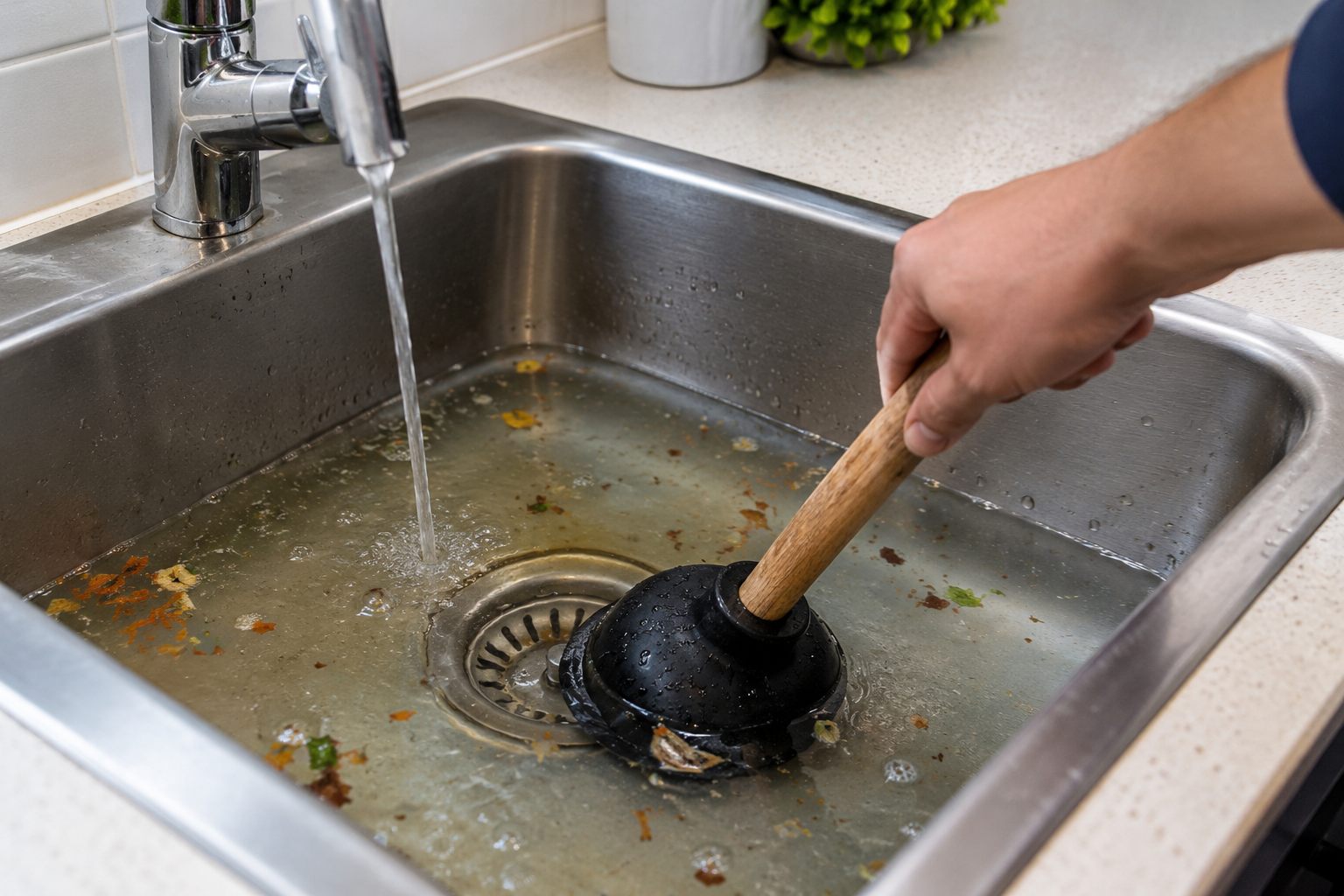
A plunger may resolve a simple blockage near a drain opening. Removing visible hair or cleaning a strainer can also help with minor problems. However, recurring or deep blockages may need mechanical drain snaking, specialised cleaning equipment or a camera inspection when pipe damage or a sewer-line problem is suspected.
| DIY maintenance | Professional drain cleaning |
|---|---|
| Suitable for minor, accessible clogs | Useful for stubborn or recurring blockages |
| Often involves a plunger or drain cover cleaning | May involve mechanical equipment and diagnostic tools |
| Generally limited to visible or nearby debris | Can help investigate deeper pipe obstructions |
| May not identify structural damage | Can help determine whether further inspection or repair is needed |
Professional cleaning can restore drainage, but the best approach depends on the cause. Ask for an explanation of the recommended work and its cost before authorising service.
5. Residential Drain Cleaning in Hawthorne, NJ, and Nearby Counties
When household drains keep clogging, professional cleaning can help remove accumulated debris and identify problems that routine maintenance may not resolve.
Drain Solution Plus provides residential drain-cleaning services for homeowners seeking help with persistent blockages. The company serves Passaic, Bergen, Hudson and Essex counties in New Jersey, including homeowners looking for residential drain cleaning in Hawthorne, NJ.
A professional assessment can help determine whether the problem involves a kitchen drain, bathroom plumbing, a deeper drainpipe or the main sewer line. Depending on the findings, the technician can recommend an appropriate cleaning method and explain whether additional inspection or repairs may be necessary.
If your drains repeatedly slow down, clog again after cleaning or show signs of a larger blockage, consider contacting Drain Solution Plus for residential drain cleaning.
6. Frequently Asked Questions
Why does my drain clog again after cleaning?
How often should household drains be cleaned?
Are chemical drain cleaners safe for pipes?
Why are multiple drains in my home backing up?
When should I call a professional plumber for a clogged drain?
How much does professional drain cleaning cost in Hawthorne, NJ?
7. Keep Your Drains Flowing with Drain Solution Plus
Recurring drain clogs can disrupt daily routines and may indicate a problem that basic household maintenance cannot resolve. Drain Solution Plus offers residential drain-cleaning services for homeowners in Hawthorne and across Passaic, Bergen, Hudson and Essex counties in New Jersey.
Whether your kitchen sink drains slowly, your shower repeatedly clogs or multiple fixtures show signs of a blockage, identifying the cause is essential to choosing the right solution. Professional assessment can help distinguish everyday debris buildup from deeper obstructions that may require specialised equipment or further inspection.
Rather than repeatedly treating the same symptoms, consider having a persistent blockage evaluated. Ask about the recommended cleaning method, expected costs and whether follow-up work may be necessary.
For help with recurring household drain problems, visit the Drain Solution Plus residential drain-cleaning service page to learn more or request service.
Conclusion
If you keep asking, “Why do my drains keep clogging?”, the answer may be grease, hair, soap residue, mineral deposits or a deeper plumbing issue. Preventive habits can reduce everyday blockages, but recurring clogs, multiple slow drains and sewage backups deserve professional attention.
For homeowners in Hawthorne, NJ, and surrounding communities in Passaic, Bergen, Hudson and Essex counties, Drain Solution Plus provides a local option for residential drain-cleaning assistance.
Don't let recurring clogs become an ongoing headache. Visit Drain Solution Plus to explore residential drain cleaning and find out what may be causing your drainage problems.
Need help with a recurring clog?
Get expert drain service
Drain Solutions Plus serves homeowners throughout Northern New Jersey with professional drain and sewer solutions.
Contact our team